TEXAS NATIVE FLOWERS
Enjoy a superb collections of your Texas Native Flowers that you and your pollinators will love!
Native Flowers
Native Flowers
Filters
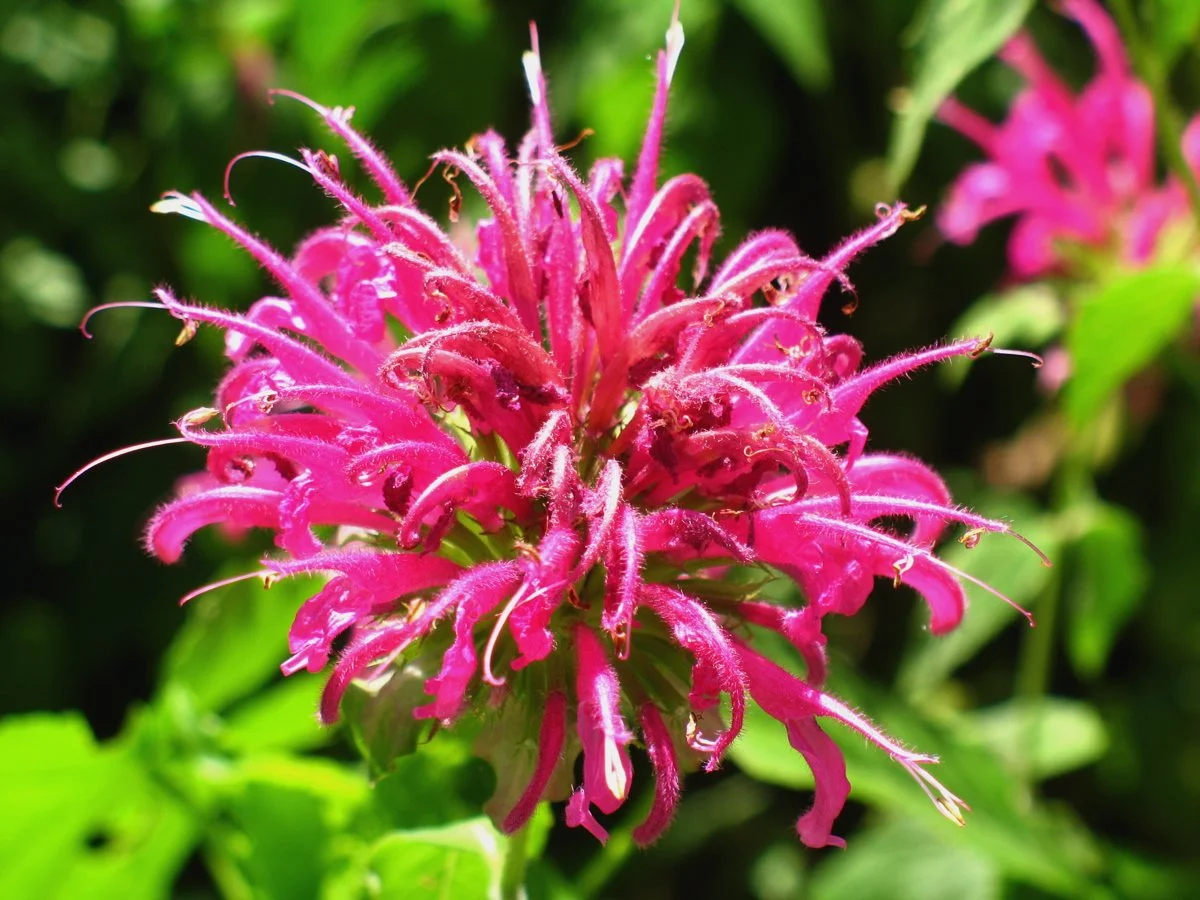
Bee Balm (Monarda spp.) — Full Summary
Overview Bee balm, a group of aromatic perennial wildflowers in the Monarda genus, is beloved for its showy, tubular flowers, fragrant foliage, and ability to attract pollinators—especially bees, hummingbirds, and butterflies. Native species commonly used in Texas landscapes include Monarda fistulosa (wild bergamot) and Monarda punctata (spotted bee balm), though garden cultivars of Monarda didyma are also popular. Plants produce clusters of bracted flowers in shades of red, pink, purple, and white from late spring through summer, and they often rebloom with proper care.
Light Requirements
Full sun to part shade.
Best flower production occurs in full sun (at least 6 hours of direct sunlight daily).
In hotter parts of Texas or during summer heat, afternoon shade or filtered shade helps prevent foliage scorch and prolongs bloom.
Soil Requirements
Prefers well-drained soil.
Tolerant of a range of soil types: sandy, loamy, or clay soils with moderate fertility.
Neutral to slightly acidic pH (roughly 6.0–7.0) is ideal.
Avoid heavy, poorly drained sites—standing water leads to root rot and crown crown rot/disease.
Watering Requirements
Moderate water needs.
Establishing plants: water regularly for the first season to develop a strong root system (about 1 inch/week, more in extreme heat).
Once established, bee balm tolerates short dry spells but performs best with consistent moisture; avoid prolonged drought.
Mulch to conserve soil moisture and keep roots cool, especially in Texas summers.
Care Tips
Spacing: plant 12–24 inches apart (depending on cultivar size) to allow air circulation and reduce disease risk.
Deadheading: remove spent flower heads to encourage rebloom and tidy appearance.
Division: divide clumps every 2–3 years in spring or early fall to rejuvenate plants and control spread; bee balm can form large clumps and spread by rhizomes.
Fertilizing: generally low-maintenance—apply a light, balanced fertilizer in spring if growth is slow or soil is poor; heavy fertilization can promote soft growth that is disease-prone.
Disease management: bee balm is susceptible to powdery mildew, especially in hot, humid conditions and with poor air circulation. Reduce risk by ensuring good spacing, planting in sunnier locations, improving air flow, and avoiding overhead watering late in the day. Some mildew-resistant cultivars are available—choose those if powdery mildew is a recurring problem.
Pest notes: generally few serious pests; occasional aphids or Japanese beetles may appear—manage with insecticidal soap or hand removal as needed.
Winter care: cut back dead stems after frost. Mulch lightly in colder Texas zones to protect crowns if needed.
Best Planting Zones (USDA)
Bee balm species and cultivars generally perform well in USDA zones 4–9.
In Texas, this covers most of the state: from cooler north Texas zones (4–7) through central and southern zones (7–9). Choose local-adapted native species (M. fistulosa, M. punctata) for best long-term performance in Texas landscapes.
Best Companion Plants Native to Texas Bee balm mixes well with other native perennials that share similar light, soil, and moisture preferences and that support pollinators. Recommended Texas-native companions:
Black-eyed Susan (Rudbeckia hirta / Rudbeckia fulgida) — bright contrast and similar bloom time.
Purple Coneflower (Echinacea purpurea) — sturdy, sun-loving pollinator magnet.
Butterfly Milkweed (Asclepias tuberosa) — supports monarchs and pairs well in sunny beds.
Liatris (Liatris spicata and others) — tall spikes complement bee balm’s mounded habit.
Salvia/Texas Sage relatives (Salvia azurea, Salvia greggii) — attract hummingbirds and bees.
Texas Bluebonnet (Lupinus texensis) — spring interest when planted in mixed native meadows.
Coreopsis (Coreopsis tinctoria) — cheerful, low-maintenance partner with similar needs.
Goldenrod (Solidago spp.) — late-season nectar source and structural contrast.
Mountain Mint (Pycnanthemum spp.) — aromatic foliage and strong pollinator appeal; complements bee balm’s texture.
Planting and Design Tips
Use bee balm in pollinator gardens, cottage-style borders, native wildflower meadows, and mixed perennial beds.
Combine with plants of varying heights and bloom times to extend interest and nectar availability throughout the season.
In tighter spaces or areas prone
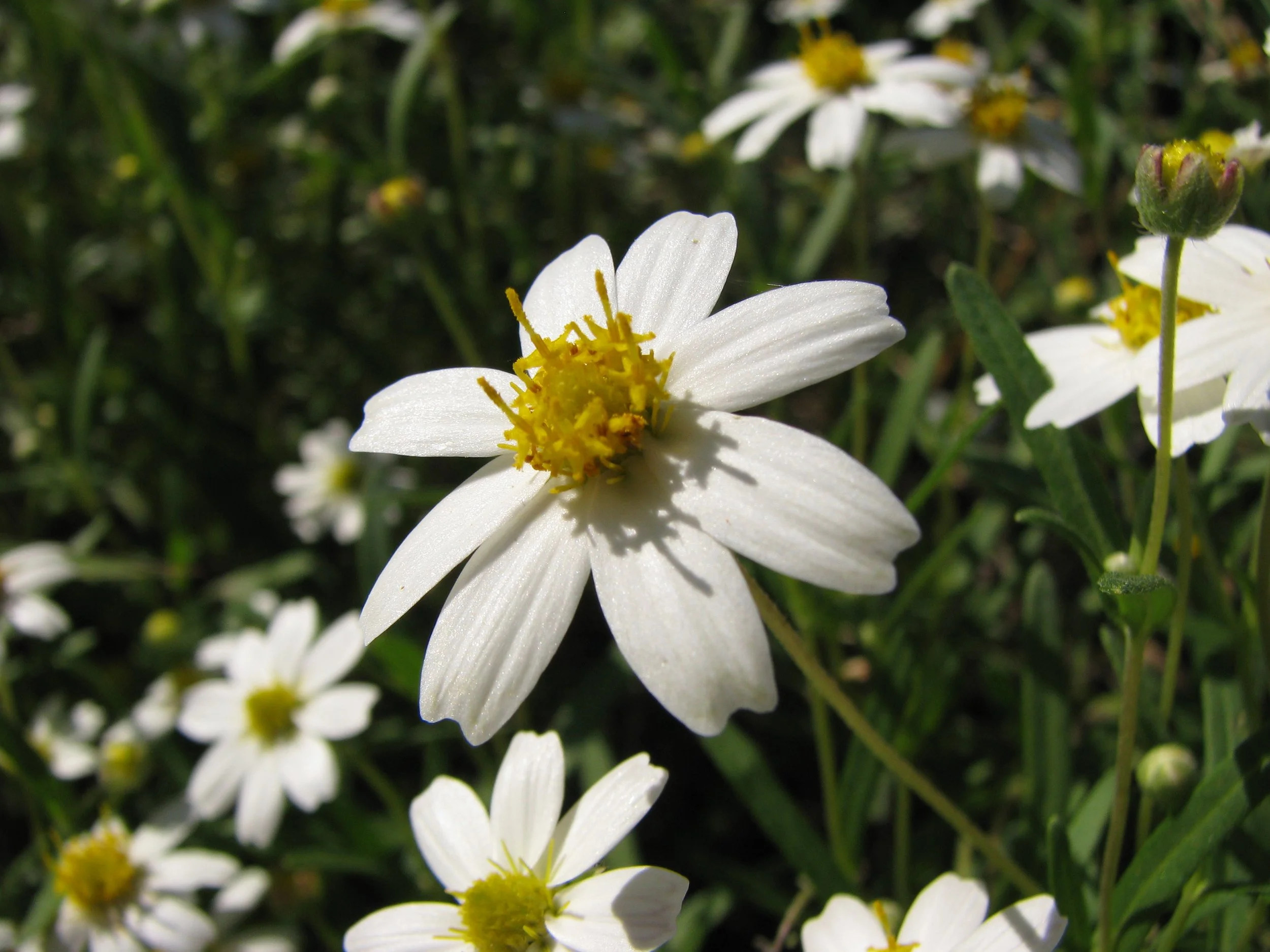
Blackfoot Daisy (Melampodium leucanthum)
Overview Blackfoot daisy is a low-growing, hardy perennial native to the southwestern United States and northern Mexico. In Texas landscapes it is prized for its long season of white daisy-like flowers with yellow centers, silvery-gray foliage, and ability to thrive in hot, dry conditions. It forms tidy mounds 6–12 inches tall and spreads by basal branching, making it excellent for rock gardens, edging, dry borders, and pollinator-friendly planting.
Light Requirements
Full sun is best: at least 6–8 hours of direct sun per day.
Tolerates light afternoon shade in the hottest inland regions, but flowering will be reduced.
Performs poorly in deep shade (sparse flowering and leggy growth).
Soil Requirements
Prefers well-draining soils: sandy, gravelly, or rocky soils are ideal.
Tolerates poor, low-fertility soils; rich, heavy clay or overly amended soils can reduce flowering and encourage floppy growth.
pH: adaptable across a broad range but typically does well in neutral to slightly alkaline soils often found in Texas limestone areas.
If planting in heavier soils, improve drainage by adding coarse sand or gravel and planting on a slight rise or mound.
Watering Requirements
Drought-tolerant once established.
Water moderately at establishment for the first few weeks, then allow soil to dry between waterings.
In well-draining soil, supplemental watering during prolonged drought will help maintain vigor but avoid overwatering—soggy soil causes root rot.
Typical schedule: deep watering every 7–14 days in hot, dry spells if no rainfall; less often in spring and fall.
Care Tips
Planting time: Best planted in spring after last frost or in fall in mild-winter areas for root establishment.
Spacing: 12–18 inches apart to allow mounding and air circulation.
Pruning: Deadhead spent flowers to encourage continuous bloom. A light trim (shear back by one-third) in late winter or early spring promotes fresh growth and a compact habit.
Fertilizer: Minimal feeding needed. If growth is weak, apply a light, balanced slow-release fertilizer in spring. Avoid high-nitrogen applications that encourage foliage over flowers.
Mulch: Use a thin layer of gravel mulch or light organic mulch to conserve moisture and reflect heat. Keep mulch away from the crown to prevent crown rot.
Pests/diseases: Generally pest-resistant. Watch for occasional aphids or spider mites; treat lightly if needed. Poor drainage can lead to fungal root diseases.
Winter care: Hardy and evergreen in mild winters; in colder zones it may die back but often resprouts. Remove dead foliage in late winter.
Best Planting Zones
USDA Hardiness Zones: typically 6–10. In Texas, it is well-suited statewide but especially reliable in Zones 7–10.
Performs best in hot, arid to semi-arid parts of Texas (West Texas, South Texas, and central areas); also works well in urban and coastal sites with well-draining soil.
Best Companion Plants Native to Texas Choose companions that share drought tolerance, sun preference, and well-draining soil needs:
Texas Sage (Leucophyllum frutescens) — shrub that offers complementary form and late-season color.
Autumn Sage (Salvia greggii) — provides vertical contrast and attracts hummingbirds.
Gregg’s Mistflower (Conoclinium greggii) — low-growing native that blooms late summer/fall; good pollinator plant.
Purple Coneflower (Echinacea purpurea) — taller structural partner, pollinator-friendly.
Lantana (Lantana urticoides / native varieties) — heat- and drought-tolerant, colorful blooms.
Gulf Coast Penstemon (Penstemon tenuis) — vertical spikes and similar water needs.
Rockrose (Pavonia lasiopetala) — shrubby, drought-tolerant, and complementary bloom season.
Texas Horehound / Mountain Mint (Pycnanthemum torreyi or Monarda citriodora where native) — aromatic, attracts pollinators.
Prairie Verbena (Glandularia bipinnatifida) — low, spreading color that pairs well with blackfoot daisy in borders and rock gardens.
Landscape Uses
Groundcover or edging in xeriscapes and rock gardens.
Pollinator gardens—provides nectar to bees and butterflies.
Gravel or container plantings where drainage is excellent.
Low-maintenance mass plantings for long bloom displays.
Summary Blackfoot daisy is a tough, low-growing Texas-friendly perennial that thrives in full sun and well-draining soils
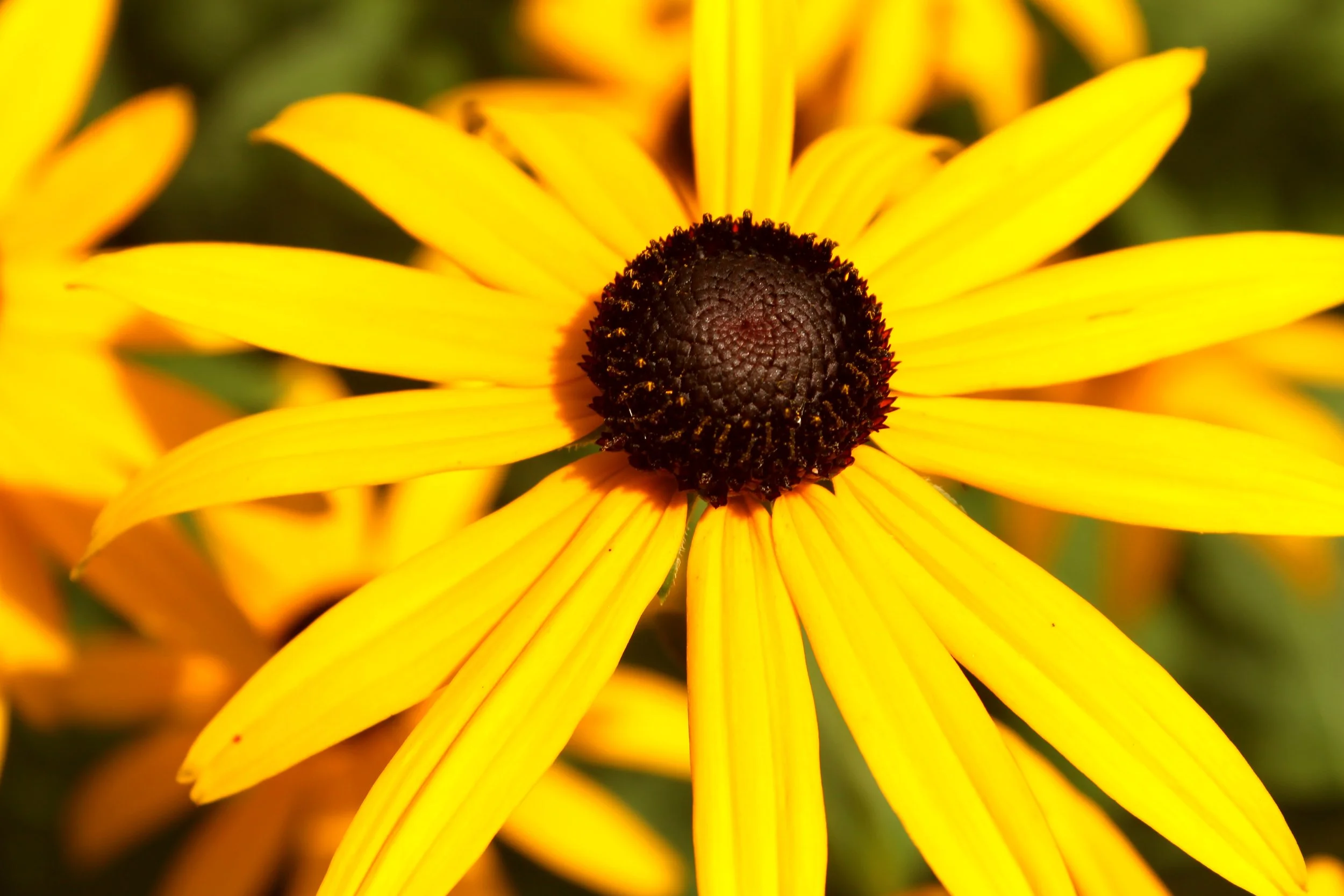
Black-Eyed Susan - Rudbeckia hirta
Light Requirements
Full sun is best: at least 6–8 hours of direct sunlight daily.
Tolerates light afternoon shade in very hot climates, but flowering may be reduced.
Soil Requirements
Prefers well-drained soil.
Adaptable to a wide range of soils including sandy, loamy, and clay soils.
Performs best in moderately fertile soil; overly rich soil can lead to floppy growth.
pH: tolerates slightly acidic to neutral (about 6.0–7.5).
Watering Requirements
Establishment: water regularly during the first 2–3 months so roots develop (about 1 inch per week depending on climate).
Once established: drought-tolerant and prefers occasional deep watering rather than frequent shallow watering.
Avoid waterlogged soil; good drainage is important to prevent crown rot.
Care
Deadhead spent blooms to encourage continuous flowering and prolong bloom period.
Divide clumps every 3–4 years in spring or fall if plants become overcrowded or decline.
Cut back to 4–6 inches in late fall or early spring to tidy up and reduce disease risk.
Mulch 2–3 inches around plants to conserve moisture and suppress weeds, keeping mulch away from crowns.
Monitor for common pests and diseases: aphids, leaf spot, powdery mildew; provide good air circulation and avoid overhead watering to reduce problems.
Many Rudbeckia are short-lived perennials or biennials in some regions; allow self-seeding for continued presence in the garden.
Zone
USDA Hardiness Zones: typically zones 3–9 depending on the variety/cultivar.
Best Companion Plants
Coneflowers (Echinacea) — complementary height and bloom time, similar culture.
Salvia and Russian Sage — contrasting foliage and vertical form.
Ornamental grasses (e.g., little bluestem, fountain grass) — add texture and movement.
Asters — extend the late-season color palette.
Coreopsis and Gaillardia — similar sun and soil needs, bright color combinations.
Lavender and Catmint (Nepeta) — drought-tolerant companions that attract pollinators.
Native wildflowers and native grasses for prairie-style plantings and pollinator habitat.
Black-Eyed Susans are easy, cheerful additions to borders, meadows, and pollinator gardens—low-maintenance, drought-tolerant, and great for providing summer–fall color.
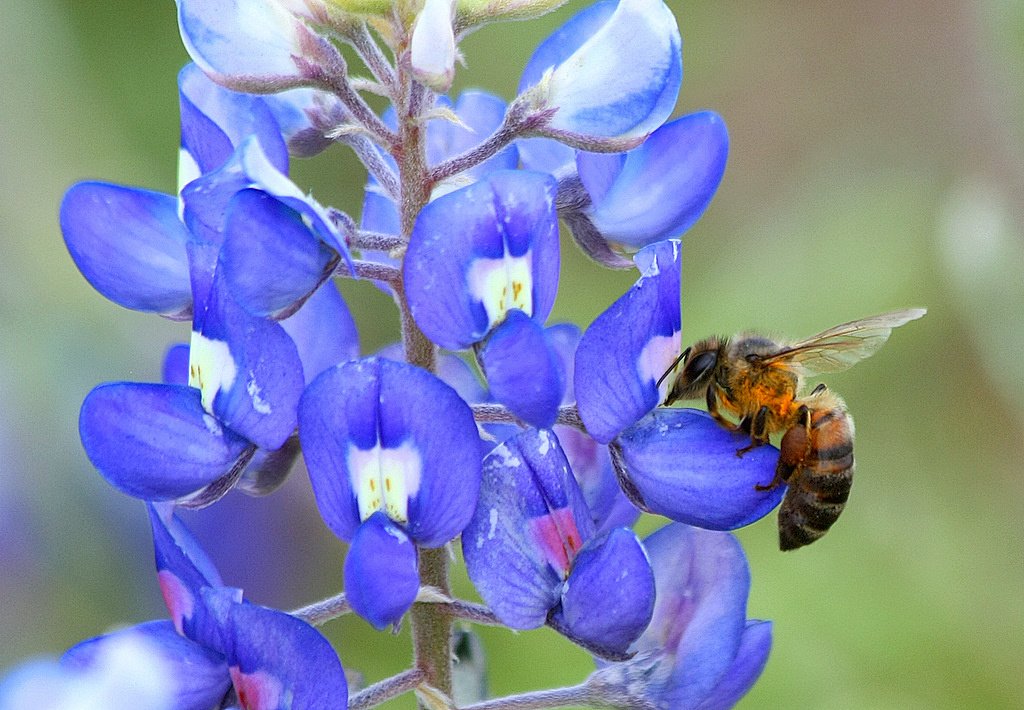
Bluebonnet (Lupinus spp.)
Overview Bluebonnets are iconic Texas wildflowers, most commonly Lupinus texensis and Lupinus subcarnosus. Known for their brilliant blue flower spikes and springtime displays, bluebonnets are annual or short-lived perennial legumes that self-seed readily. They fix nitrogen in the soil, improving soil fertility, and are a valuable nectar source for native bees and butterflies.
Light Requirements
Full sun is ideal: at least 6–8 hours of direct sunlight per day.
Tolerates light afternoon shade but will produce fewer flowers.
Soil Requirements
Well-drained soils are essential; bluebonnets do not tolerate waterlogged or compacted soils.
Prefer sandy to gravelly or rocky soils but will grow in poor, low-fertility soils.
pH: tolerate a range from slightly acidic to slightly alkaline (about pH 6.0–7.8).
Avoid rich, heavily amended garden soils; high fertility encourages foliage over blooms.
Watering Requirements
Drought-tolerant once established.
Minimal supplemental watering: water moderately at planting to establish seedlings, then hold water back. Overwatering encourages rot and weak growth.
In spring, natural rainfall is usually sufficient. If extended dry spells occur before flowering, light supplemental watering can help.
Do not water heavily during bloom; dry conditions typically yield the best floral displays.
Care Tips
Plant at the right time: sow seeds in fall (September–November) for spring blooms in most of Texas. In warmer South Texas, planting can be done in late fall/early winter.
Scarify or nick seeds and soak for 12–24 hours before planting to improve germination; this breaks the hard seed coat.
Sow seeds shallowly (1/8"–1/4") and lightly cover with soil or press into the surface; they need light soil contact.
Thin seedlings if crowded to about 6–12 inches apart to allow airflow and reduce disease.
Avoid fertilizer, especially high-nitrogen formulas. Bluebonnets perform best in low-nutrient soils.
Mowing: after the plants set seed and seedpods dry (typically late spring to early summer), you can mow or cut back to disperse seed or leave to self-seed naturally.
Pest/disease: generally low-maintenance. Watch for root rot in poorly drained soils and aphids or flea beetles occasionally. Use integrated pest management—encourage beneficial insects and use targeted, minimal controls if needed.
Rotation: if growing in beds, allow an area to rest or naturalize; repeated cultivation and heavy amendment reduce bluebonnet performance.
Companion management: keep competitive aggressive weeds and tall grasses trimmed to give seedlings light and reduce competition.
Best Planting Zones (USDA Hardiness Zones)
Best suited to USDA zones 6b–9b across Texas.
Perform well throughout most of Texas: from North Texas into Central Texas, the Hill Country, and parts of South and East Texas. Some varieties adapt better to cooler North Texas or warmer South Texas conditions.
In colder zones (below 6), bluebonnets may not reliably overwinter; they are typically grown as annuals from fall sowing.
Best Companion Plants Native to Texas Bluebonnets pair well with other Texas natives that share similar cultural needs (full sun, well-drained soils, low fertility, and spring blooming). Good companions include:
Indian Paintbrush (Castilleja indivisa) — complimentary reds and oranges; often
Bluebonnet (Lupinus spp.) — Full Summary
Overview Bluebonnets are iconic Texas wildflowers, most commonly Lupinus texensis and Lupinus subcarnosus. Known for their brilliant blue flower spikes and springtime displays, bluebonnets are annual or short-lived perennial legumes that self-seed readily. They fix nitrogen in the soil, improving soil fertility, and are a valuable nectar source for native bees and butterflies.
Light Requirements
Full sun is ideal: at least 6–8 hours of direct sunlight per day.
Tolerates light afternoon shade but will produce fewer flowers.
Soil Requirements
Well-drained soils are essential; bluebonnets do not tolerate waterlogged or compacted soils.
Prefer sandy to gravelly or rocky soils but will grow in poor, low-fertility soils.
pH: tolerate a range from slightly acidic to slightly alkaline (about pH 6.0–7.8).
Avoid rich, heavily amended garden soils; high fertility encourages foliage over blooms.
Watering Requirements
Drought-tolerant once established.
Minimal supplemental watering: water moderately at planting to establish seedlings, then hold water back. Overwatering encourages rot and weak growth.
In spring, natural rainfall is usually sufficient. If extended dry spells occur before flowering, light supplemental watering can help.
Do not water heavily during bloom; dry conditions typically yield the best floral displays.
Care Tips
Plant at the right time: sow seeds in fall (September–November) for spring blooms in most of Texas. In warmer South Texas, planting can be done in late fall/early winter.
Scarify or nick seeds and soak for 12–24 hours before planting to improve germination; this breaks the hard seed coat.
Sow seeds shallowly (1/8"–1/4") and lightly cover with soil or press into the surface; they need light soil contact.
Thin seedlings if crowded to about 6–12 inches apart to allow airflow and reduce disease.
Avoid fertilizer, especially high-nitrogen formulas. Bluebonnets perform best in low-nutrient soils.
Mowing: after the plants set seed and seedpods dry (typically late spring to early summer), you can mow or cut back to disperse seed or leave to self-seed naturally.
Pest/disease: generally low-maintenance. Watch for root rot in poorly drained soils and aphids or flea beetles occasionally. Use integrated pest management—encourage beneficial insects and use targeted, minimal controls if needed.
Rotation: if growing in beds, allow an area to rest or naturalize; repeated cultivation and heavy amendment reduce bluebonnet performance.
Companion management: keep competitive aggressive weeds and tall grasses trimmed to give seedlings light and reduce competition.
Best Planting Zones (USDA Hardiness Zones)
Best suited to USDA zones 6b–9b across Texas.
Perform well throughout most of Texas: from North Texas into Central Texas, the Hill Country, and parts of South and East Texas. Some varieties adapt better to cooler North Texas or warmer South Texas conditions.
In colder zones (below 6), bluebonnets may not reliably overwinter; they are typically grown as annuals from fall sowing.
Best Companion Plants Native to Texas Bluebonnets pair well with other Texas natives that share similar cultural needs (full sun, well-drained soils, low fertility, and spring blooming). Good companions include:
Indian Paintbrush (Castilleja indivisa) — complimentary reds and oranges; often intermix naturally.
Texas Winecup (Callirhoe involucrata) — low-growing, magenta flowers; groundcover habit.
Firewheel / Indian Blanket (Gaillardia pulchella) — bright reds/oranges; drought-tolerant.
Pink Evening Primrose (Oenothera speciosa) — soft pink blooms; spring groundcover.
Gulf Coast Penstemon (Penstemon tenuis) — tubular flowers, attracts pollinators.
Black-Eyed Susan (Rudbeckia hirta) — later blooming annual/perennial contrast.
Lanceleaf Coreopsis (Coreopsis lanceolata) — yellow daisies; long bloom period.
Gregg's Mistflower (Conoclinium greggii) — late-spring to fall color and pollinator magnet.
Little Bluestem (Schizachyrium scoparium) — native grass that adds texture and stabilizes soil; low competition.
Prairie Verbena (Glandularia bipinnatifida) — low mat-forming, attracts butterflies.
Planting combinations: mix bluebonnet seed with prairie seed mixes or scatter with other spring-blooming natives to create naturalized meadows with staggered colors and overlapping bloom periods.
Final Notes Bluebonnets
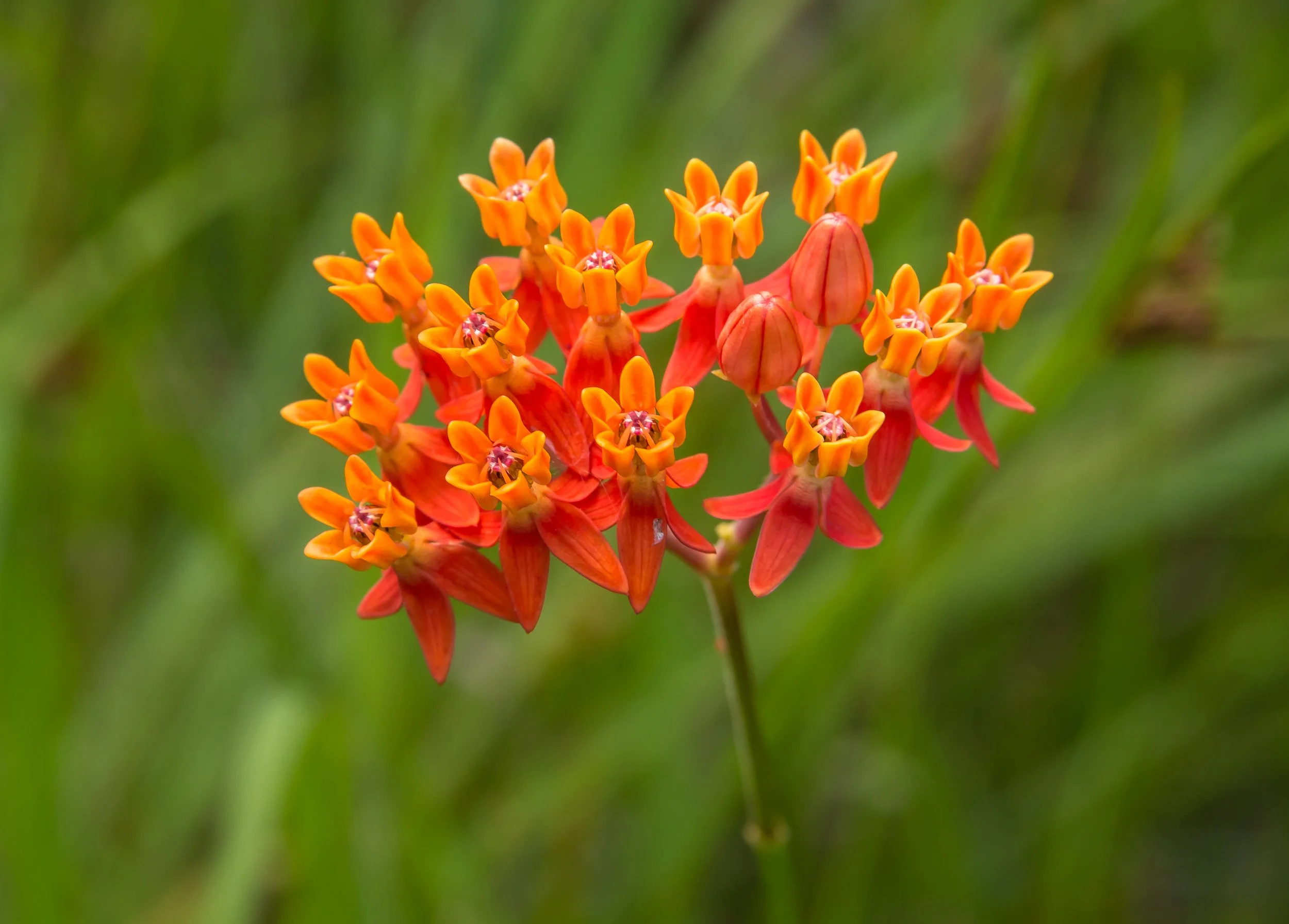
Butterfly Milkweed (Asclepias tuberosa)
Overview Butterfly Milkweed, Asclepias tuberosa, is a native North American perennial known for its vibrant orange (sometimes yellow or red) clusters of flowers and its importance to pollinators, especially monarch butterflies. Unlike some other milkweeds, it has a low, clumping form with deep taproots and does not produce the milky sap as copiously, making it an attractive, durable choice for native gardens, prairie restorations, and pollinator plantings.
Light
Full sun is ideal: at least 6–8 hours of direct sunlight daily.
Tolerates light afternoon shade but flowering and vigor decline in shady spots.
Soil
Prefers well-drained soils; intolerant of persistent wet feet.
Tolerates poor, sandy, rocky, or lean soils; thrives in low-fertility conditions.
pH: adaptable from slightly acidic to slightly alkaline (roughly pH 6.0–7.5).
Avoid heavy clay that stays saturated unless amended or on raised beds/berms to improve drainage.
Watering
Drought-tolerant once established, thanks to a deep taproot.
Water regularly during the first growing season to establish roots: about 1 inch per week (from irrigation or rainfall), allowing soil to dry slightly between waterings.
After established (typically one season), supplemental watering only during extended dry periods; overwatering leads to poor performance and root rot.
Mulch lightly to conserve moisture but keep mulch away from crown to avoid rot.
Care Tips
Planting time: spring after the last frost or fall in mild climates; fall planting helps root development but avoid very late planting that risks frost before establishment.
Spacing: 12–18 inches apart to allow clumping and air circulation.
Fertilizer: generally unnecessary; avoid high-nitrogen fertilizers that encourage foliage over blooms.
Deadheading: remove spent flowers to prolong bloom and prevent self-seeding if you want to control volunteers. Allow some pods to mature if you want seed for propagation or to support monarchs.
Cutting back: cut stems to ground in late fall or leave stalks over winter for structure and insect habitat; remove in early spring if desired.
Division: not easily divided due to deep taproot; propagate by seed or occasional root cuttings.
Pests & diseases: relatively pest-resistant. Watch for aphids, milkweed bugs, or fungal issues in poorly drained soils. Treat aphids with water spray or insecticidal soap if needed, and improve air/drainage for disease prevention.
Winter behavior: herbaceous perennial — tops die back in winter but roots return in spring. In colder zones expect dormancy.
Best Planting Zones
USDA Hardiness Zones: 3–9 (grows reliably across much of Texas).
In Texas specifically: performs well across most regions — East Texas to the Plains, Central Texas, Hill Country, and South Texas coastal areas with attention to drainage and heat. In very hot, humid southeast areas, provide the best full sun and good drainage to avoid stress.
Best Companion Plants (native to Texas) Choose companions that match full sun, well-drained conditions and that support pollinators and seasonal interest:
Texas Lantana (Lantana urticoides / Lantana horrida) — attracts butterflies, heat-tolerant.
Gregg’s Mistflower (Conoclinium greggii) — late-season nectar source, purple-blue flowers.
Prairie Verbena (Glandularia bipinnatifida) — low mounding, purple flowers, drought-tolerant.
Gulf Coast Penstemon (Penstemon tenuis) or other Texas penstemon species — tubular flowers for pollinators.
Black-Eyed Susan (Rudbeckia species) — bright summer bloom, similar cultural needs.
Purple Coneflower (Echinacea purpurea) — summer-fall nectar and seedheads for birds.
Bluebonnet (Lupinus texensis) — spring interest and nitrogen-fixing benefits in prairie mixes.
Texas Sage / Cenizo (Leucophyllum frutescens) — in hotter, drier sites for contrast and late-season blooms.
Little Bluestem (Schizachyrium scoparium) — native grass for texture and winter structure.
Maximilian Sunflower (Helianthus maximiliani) — tall background plant that attracts pollinators.
Milkweed species mix (e.g., Common Milkweed Asclepias syriaca in appropriate regions, Swamp Milkweed Asclepias incarnata in wetter spots) — combining species provides staggered bloom and habitat diversity for monarchs and other specialized insects
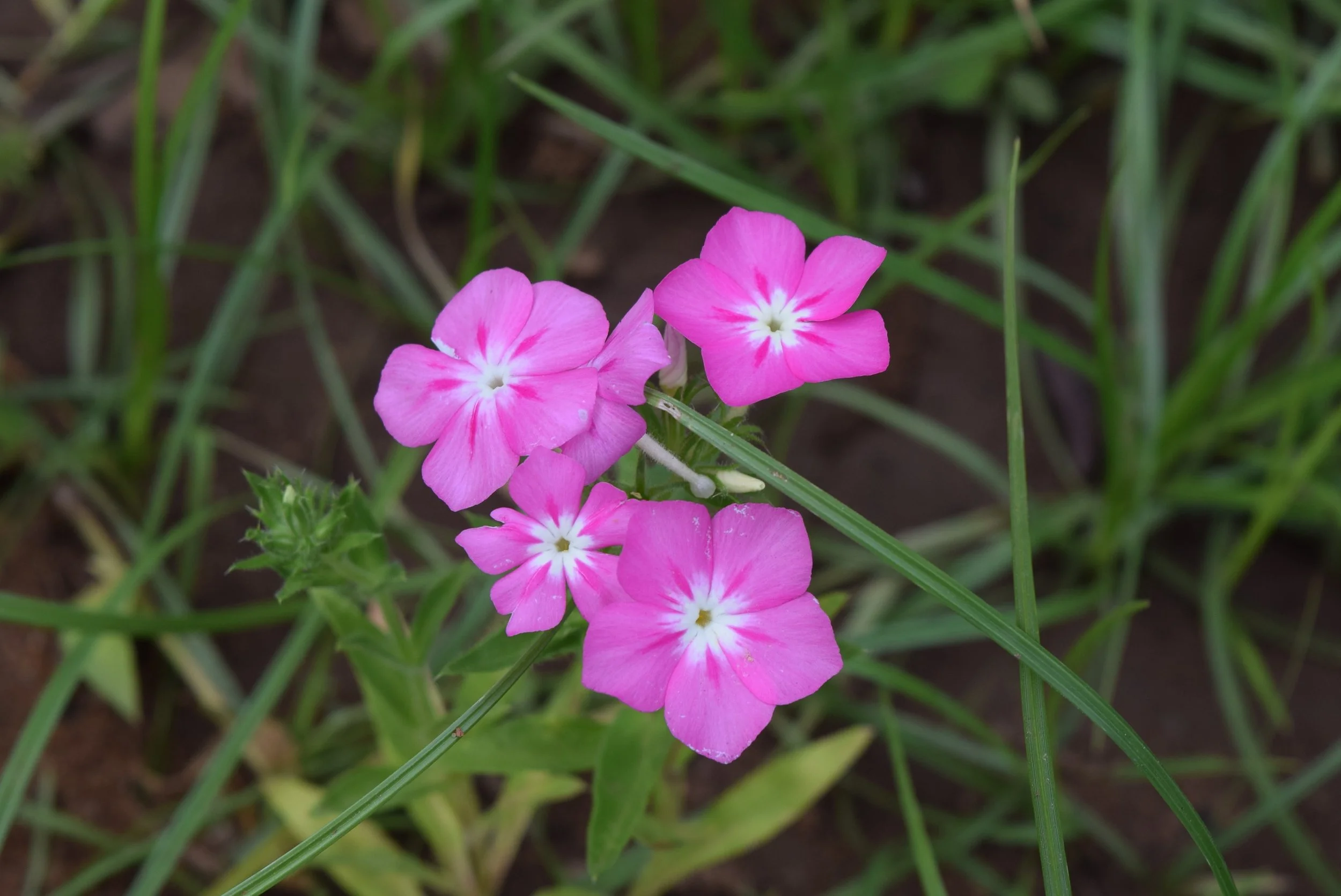
Drummond Phlox (Phlox drummondii)
Light Requirements
Full sun to partial shade. Best flowering and compact habit occur in full sun (at least 6 hours daily). In hotter climates, afternoon shade helps prevent blooming decline and leaf scorch.
Soil Requirements
Well-drained soil is essential. Tolerates a range from sandy to loamy soils. Prefers moderately fertile soil with good organic matter. Neutral to slightly acidic pH (around 6.0–7.0) is ideal. Avoid heavy, waterlogged clay unless amended for drainage.
Watering Requirements
Moderate water needs. Keep roots evenly moist during establishment and active growth; allow the top inch of soil to dry between waterings. More frequent watering during hot, dry spells will maintain bloom. Avoid prolonged wet feet to prevent root rot.
Care
Deadhead spent blooms regularly to encourage continuous flowering and a tidier appearance.
Pinch back young plants to promote bushier growth and more blooms.
Light feeding with a balanced, slow-release fertilizer in spring supports vigorous growth; a second, lighter feed midseason can help in poor soils.
Provide good air circulation to reduce powdery mildew and other fungal issues; remove affected foliage promptly.
Re-seed or replace plants annually or every few years in landscapes where they appear short-lived; in favorable conditions, they may self-seed.
Mulch lightly to conserve moisture and suppress weeds but keep mulch off crowns to avoid rot.
Zone
Typically grown as an annual in most gardens; USDA hardiness zones 6–9 are most favorable for overwintering as a perennial, though survival varies. In cooler zones (zones 3–5) it is used as an annual or for summer bedding. Check local microclimate and cultivar hardiness for best results.
Best Companion Plants
Other annuals and perennials that enjoy similar sun and soil conditions and complement phlox height and color:
Coreopsis (Coreopsis spp.) — similar drought tolerance and cheerful contrast.
Coreopsis and Gaillardia (blanketflower) — warm, sun-loving color partners.
Salvia (Salvia spp.) — vertical spikes contrast phlox’s mounded form.
Alyssum (Lobularia maritima) — low edging plant that highlights drummond phlox beds.
Verbena (Verbena spp.) — mixes well for cottage-style or pollinator gardens.
Lavender (Lavandula spp.) — pairs well in well-drained soils with similar sun needs.
Echinacea (Echinacea spp.) and Rudbeckia (Rudbeckia spp.) — taller perennials that provide structural backdrop.
Drummond phlox is also excellent in mixed annual borders, rock gardens, and pollinator-friendly plantings where its nectar attracts butterflies and bees.
Notes
Many cultivars and color forms are available; choose varieties suited to your climate and desired height. In Texas summers, select heat-tolerant cultivars and provide afternoon shade where necessary.
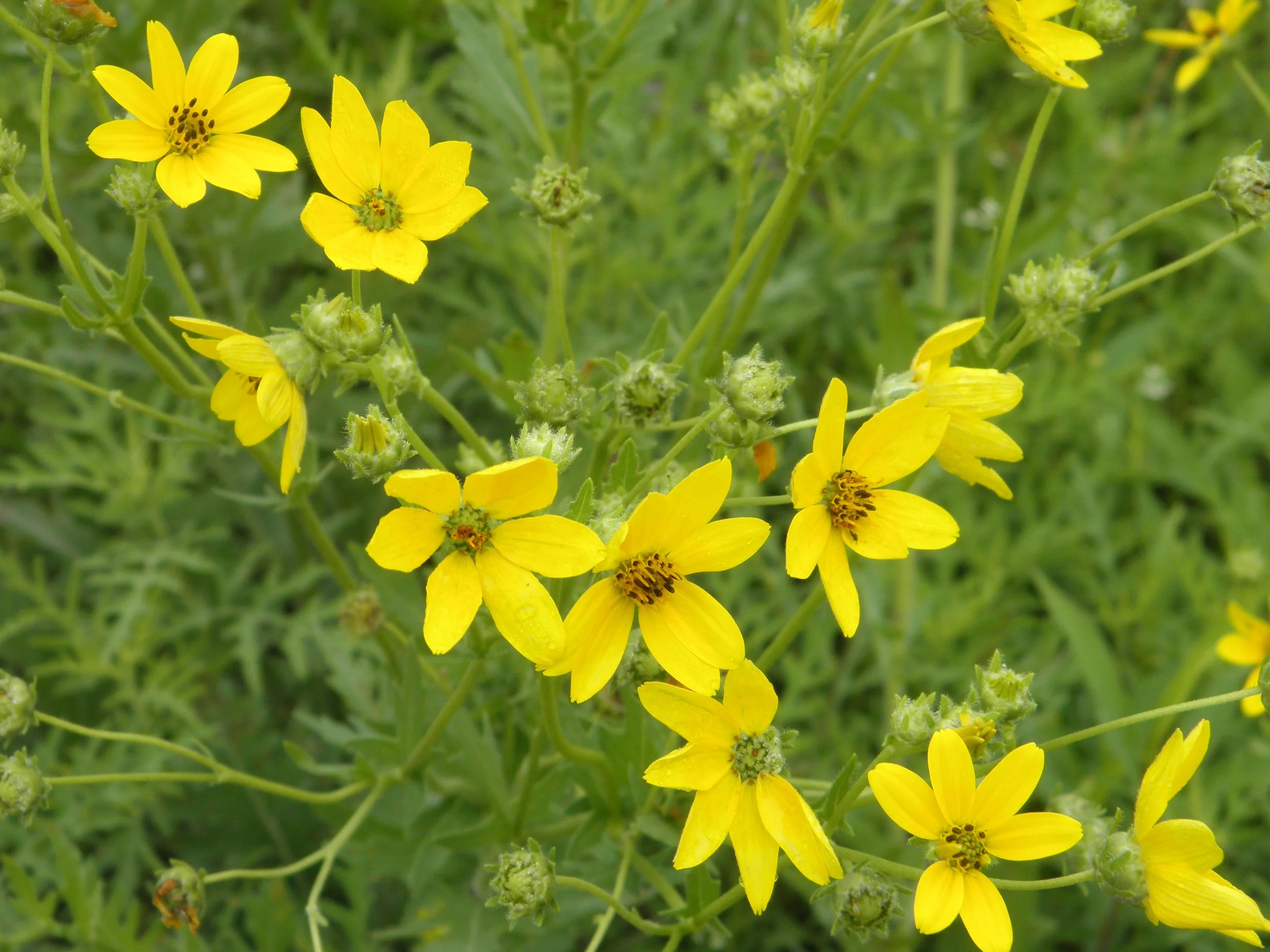
Engelmann Daisy (Engelmannia peristenia)
Light Requirements
Full sun is ideal: at least 6–8 hours of direct sunlight daily for best flowering.
Tolerates light afternoon shade in very hot, inland sites but will produce fewer blooms.
Soil Requirements
Prefers well-draining soils; sandy or rocky loam suits it well.
Tolerates poor, low-fertility soils; does not need rich, amended soils.
Neutral to slightly alkaline pH performs well; avoid heavy clay that holds water.
Watering Requirements
Drought-tolerant once established.
Water moderately during the first growing season to develop roots (deep, infrequent watering).
After established, water only during extended dry spells; overwatering reduces blooms and can encourage rot.
Care
Low-maintenance perennial or short-lived perennial/long-lived biennial depending on climate.
Deadhead spent flowers to encourage continued bloom and reduce reseeding, although some self-seeding is common and often desirable.
Cut back spent stems in late fall or mow/trim in early spring to tidy plants and promote fresh growth.
Divide clumps every 3–4 years if they become congested, or to propagate.
Minimal fertilizer needed; a light application of balanced fertilizer in spring is sufficient if soil is very poor.
Watch for slugs and snails in shady, moist locations; generally pest and disease resistant.
Zone
Hardy primarily in USDA zones 5–9, depending on local microclimate (cold-hardiness can vary; in colder zone 5 sites, mulch for winter protection if needed).
Best Companion Plants
Other Texas and prairie natives that match its sun, soil, and moisture needs:
Black-eyed Susan (Rudbeckia hirta)
Gaillardia (Blanket Flower)
Salvia spp. (meadow and prairie salvias)
Coreopsis spp.
Texas sage (Leucophyllum frutescens) in hotter, drier sites
Little bluestem (Schizachyrium scoparium) and other native grasses for textural contrast
Penstemon spp. and Liatris for vertical accents and pollinator attraction
Engelmann Daisy is a durable, pollinator-friendly choice for sunny, well-drained beds, meadows, and naturalistic plantings where low water use and a long season of flowers are desired.
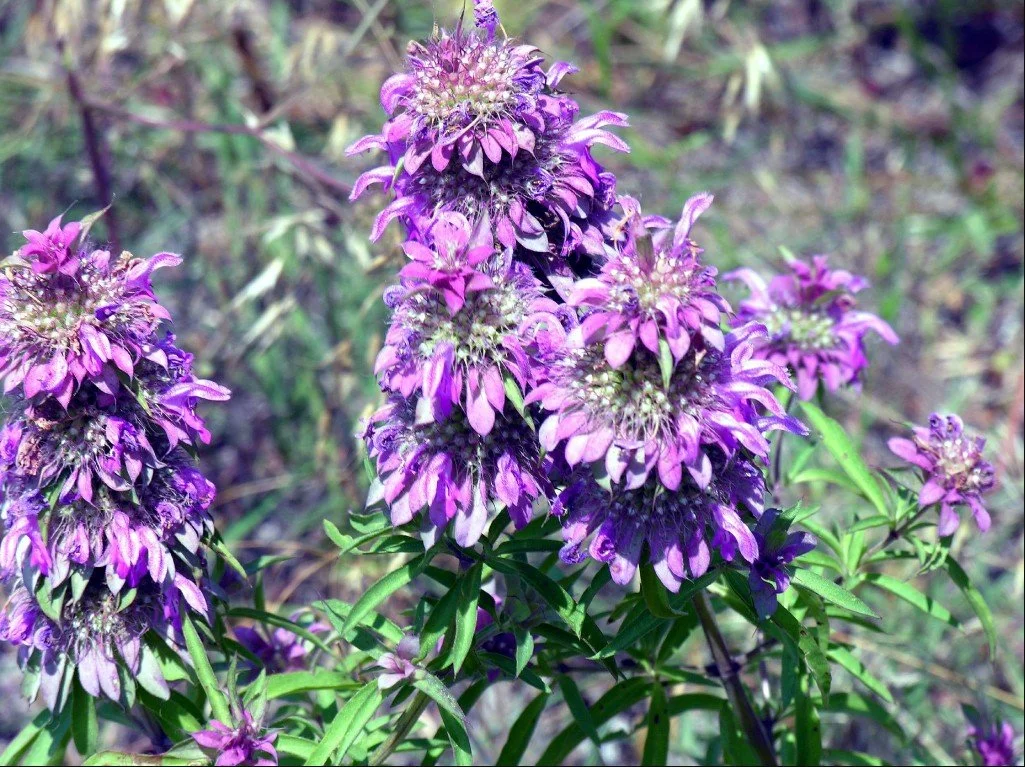
Lemon Bee Balm (Monarda citriodora or Monarda ‘Lemon’ cultivars) — a fragrant, attractive perennial or short-lived perennial/herb that brings citrus-scented foliage and nectar-rich flowers to pollinator gardens.
Light Requirements
Full sun to part shade. Best flower production and compact habit in full sun (6+ hours/day). Tolerates light afternoon shade, especially in hot, humid climates.
Soil Requirements
Well-drained soil is essential. Prefers rich, loamy soil but adapts to average garden soils.
pH: neutral to slightly acidic (about 6.0–7.0) is ideal.
Avoid heavy, poorly drained clay that leads to root rot; amend with compost or grit to improve drainage if needed.
Watering Requirements
Moderate watering. Keep evenly moist during establishment (first season).
Once established, tolerates short dry spells but performs best with consistent moisture—about 1 inch per week in hot weather.
Avoid overwatering and waterlogged soil; allow the top inch of soil to dry slightly between waterings.
Care
Deadhead spent blooms to extend flowering and reduce self-seeding if you want to limit volunteers.
Cut back by one-third after the first flush of blooms to encourage a second bloom period.
In colder zones, cut to the ground at winter onset; in mild climates, cut back in late winter or early spring to remove old growth.
Divide clumps every 2–3 years in spring to rejuvenate plants and control spreading.
Watch for powdery mildew in humid conditions; improve air circulation by spacing plants properly and avoid overhead watering.
Light feeding with a balanced, slow-release fertilizer in spring encourages vigor; heavy fertilization can reduce essential oil production and fragrance.
Zone
Hardy generally in USDA Zones 4–9 depending on species and cultivar. Check specific plant label for exact hardiness; many lemon-scented bee balms are reliably hardy to Zone 4–5 and thrive through Zone 9.
Best Companion Plants
Other pollinator-friendly perennials: coneflowers (Echinacea), black-eyed Susan (Rudbeckia), salvias, penstemon.
Herbs: thyme, oregano, lavender — similar cultural needs and beneficial insect attraction.
Grasses: native ornamental grasses (little bluestem, switchgrass) for texture and to help with air flow.
Spring bulbs: tulips and daffodils provide early season interest before bee balm blooms.
Avoid planting directly next to very moisture-loving plants (irises) that create constant wet conditions.
Notes
Excellent for pollinator gardens, attracting bees, butterflies, and hummingbirds.
Lovely as a cut flower and usable as an aromatic herb in small amounts (lemony scent), though taste is strong and can be bitter for some uses.
Can self-seed freely; use deadheading or containment if you want to prevent spreading.
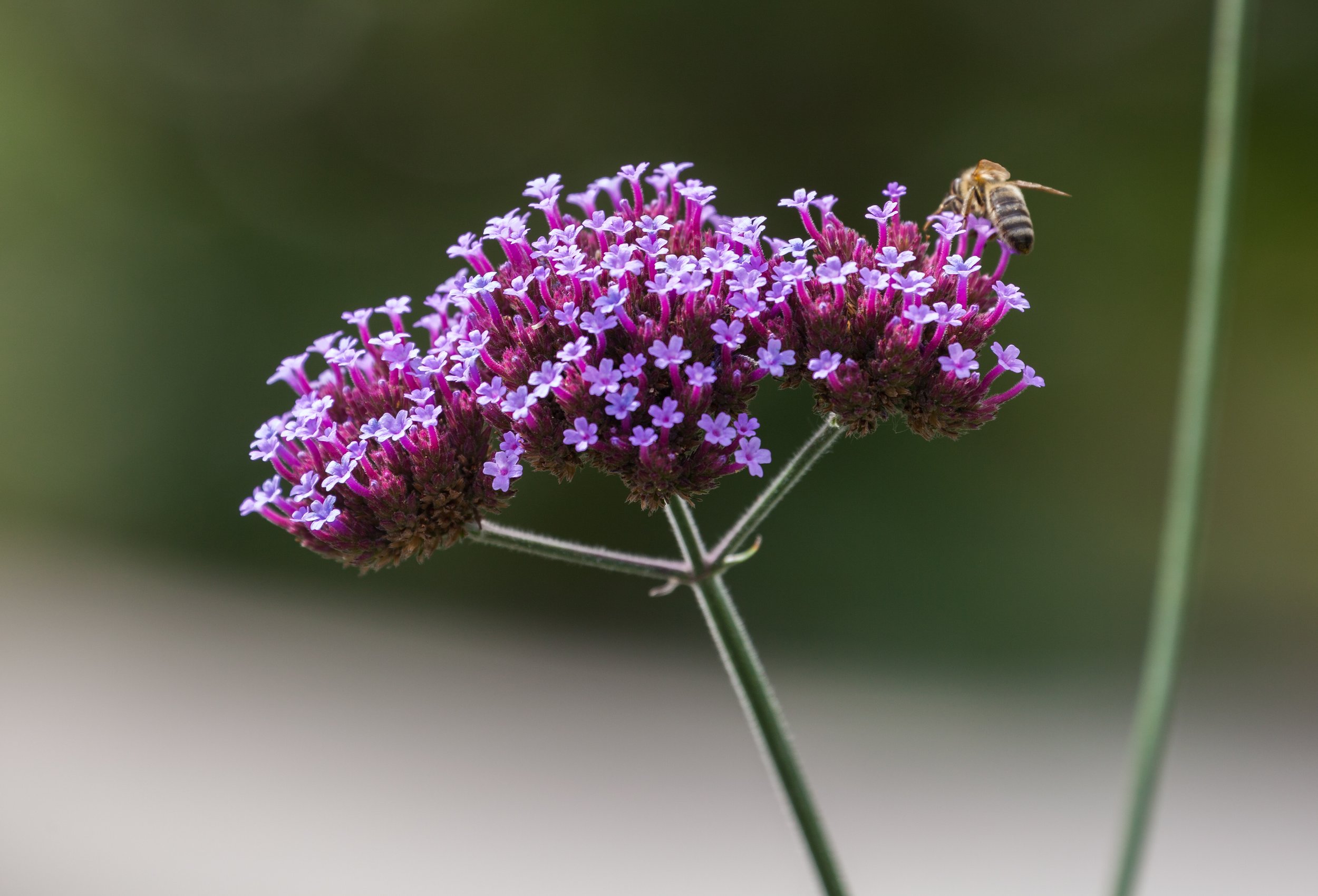
Verbena (Verbena spp. and Glandularia spp.)
Light Requirements
Full sun is best: at least 6–8 hours of direct sunlight daily. Verbena tolerates light afternoon shade in very hot climates but blooms most prolifically in bright sun.
Soil Requirements
Well-draining soil is essential. Verbena prefers sandy or loamy soils with moderate fertility.
Neutral to slightly alkaline pH is tolerated; avoid heavy clay that stays wet. Amending clay with compost and grit improves drainage.
Watering Requirements
Drought-tolerant once established. Water regularly during the first growing season to establish roots.
After established, deep watering every 7–14 days is usually sufficient; increase frequency in extreme heat. Avoid overwatering and soggy soil, which promote root rot.
Care
Deadhead spent flowers regularly to encourage continuous blooming. For trailing varieties, light pruning maintains shape and vigor.
In late season or early spring, shearing back by about one-third can rejuvenate plants and encourage new growth.
Provide good air circulation to reduce powdery mildew and other fungal issues; avoid overhead watering when possible.
Fertilize lightly with a balanced, slow-release or water-soluble fertilizer during the growing season; excessive nitrogen can reduce flowering.
Pests are generally minor (aphids, spider mites); treat infestations early with insecticidal soap or horticultural oil. Watch for fungal disease in humid conditions.
Hardiness Zone
Most verbena and related species (including Glandularia) are hardy in USDA zones 7–10. Some cultivars and species may be grown as perennials in zone 6 with winter protection or as annuals in cooler zones.
Best Companion Plants Verbena pairs well with other sun-loving, drought-tolerant natives and ornamentals. Good companions include:
Horsemint (Monarda spp.) — complementary flower forms and attracts pollinators.
Mexican Hat (Ratibida columnifera) — similar cultural needs and contrasting flower shape.
Winecup (Callirhoe involucrata) — trailing habit mixes well with low-growing verbenas.
Plains Coreopsis (Coreopsis tinctoria) — bright, long-blooming partner with similar watering needs.
Antelope Horns (Asclepias asperula) — native milkweed attracts pollinators and shares dry-site preferences.
Plains White Indigo (Baptisia alba or related Baptisia spp.) — sturdier, taller companion that provides structure; tolerant of similar soils once established.
Standing cypress (Ipomopsis rubra or possibly Liatris? — if you mean a tall, upright native) — provides
No results found
No results match your search. Try removing a few filters.