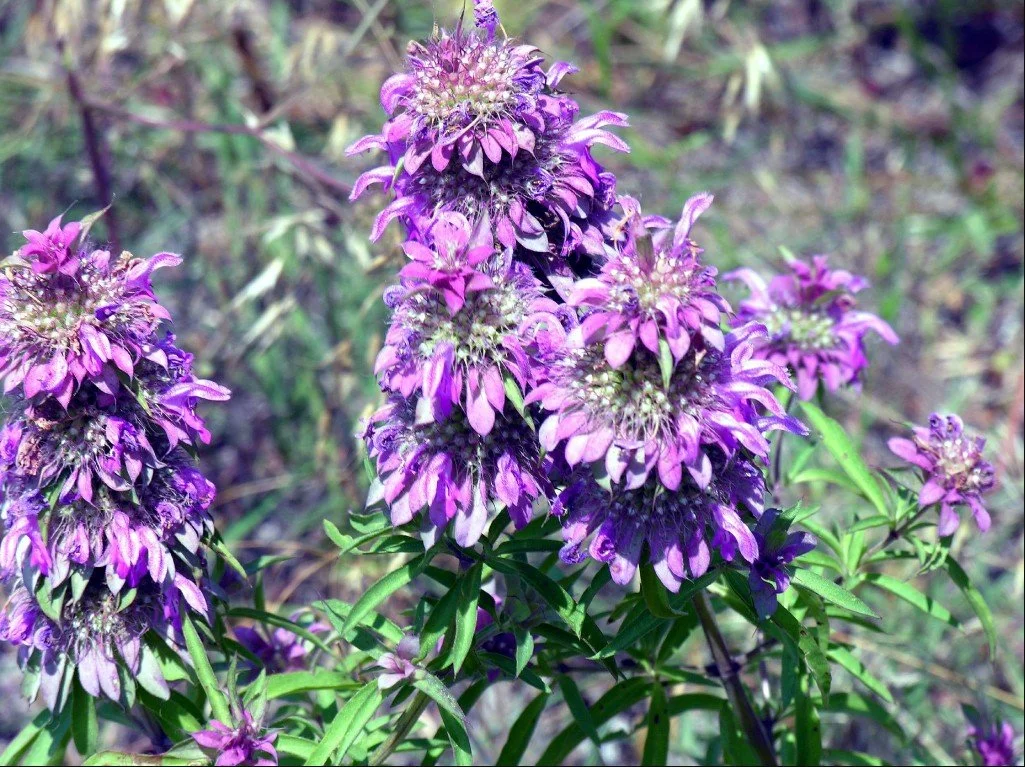
Lemon Bee Balm (Monarda citriodora or Monarda ‘Lemon’ cultivars) — a fragrant, attractive perennial or short-lived perennial/herb that brings citrus-scented foliage and nectar-rich flowers to pollinator gardens.
Light Requirements
Full sun to part shade. Best flower production and compact habit in full sun (6+ hours/day). Tolerates light afternoon shade, especially in hot, humid climates.
Soil Requirements
Well-drained soil is essential. Prefers rich, loamy soil but adapts to average garden soils.
pH: neutral to slightly acidic (about 6.0–7.0) is ideal.
Avoid heavy, poorly drained clay that leads to root rot; amend with compost or grit to improve drainage if needed.
Watering Requirements
Moderate watering. Keep evenly moist during establishment (first season).
Once established, tolerates short dry spells but performs best with consistent moisture—about 1 inch per week in hot weather.
Avoid overwatering and waterlogged soil; allow the top inch of soil to dry slightly between waterings.
Care
Deadhead spent blooms to extend flowering and reduce self-seeding if you want to limit volunteers.
Cut back by one-third after the first flush of blooms to encourage a second bloom period.
In colder zones, cut to the ground at winter onset; in mild climates, cut back in late winter or early spring to remove old growth.
Divide clumps every 2–3 years in spring to rejuvenate plants and control spreading.
Watch for powdery mildew in humid conditions; improve air circulation by spacing plants properly and avoid overhead watering.
Light feeding with a balanced, slow-release fertilizer in spring encourages vigor; heavy fertilization can reduce essential oil production and fragrance.
Zone
Hardy generally in USDA Zones 4–9 depending on species and cultivar. Check specific plant label for exact hardiness; many lemon-scented bee balms are reliably hardy to Zone 4–5 and thrive through Zone 9.
Best Companion Plants
Other pollinator-friendly perennials: coneflowers (Echinacea), black-eyed Susan (Rudbeckia), salvias, penstemon.
Herbs: thyme, oregano, lavender — similar cultural needs and beneficial insect attraction.
Grasses: native ornamental grasses (little bluestem, switchgrass) for texture and to help with air flow.
Spring bulbs: tulips and daffodils provide early season interest before bee balm blooms.
Avoid planting directly next to very moisture-loving plants (irises) that create constant wet conditions.
Notes
Excellent for pollinator gardens, attracting bees, butterflies, and hummingbirds.
Lovely as a cut flower and usable as an aromatic herb in small amounts (lemony scent), though taste is strong and can be bitter for some uses.
Can self-seed freely; use deadheading or containment if you want to prevent spreading.
Lemon Bee Balm (Monarda citriodora or Monarda ‘Lemon’ cultivars) — a fragrant, attractive perennial or short-lived perennial/herb that brings citrus-scented foliage and nectar-rich flowers to pollinator gardens.
Light Requirements
Full sun to part shade. Best flower production and compact habit in full sun (6+ hours/day). Tolerates light afternoon shade, especially in hot, humid climates.
Soil Requirements
Well-drained soil is essential. Prefers rich, loamy soil but adapts to average garden soils.
pH: neutral to slightly acidic (about 6.0–7.0) is ideal.
Avoid heavy, poorly drained clay that leads to root rot; amend with compost or grit to improve drainage if needed.
Watering Requirements
Moderate watering. Keep evenly moist during establishment (first season).
Once established, tolerates short dry spells but performs best with consistent moisture—about 1 inch per week in hot weather.
Avoid overwatering and waterlogged soil; allow the top inch of soil to dry slightly between waterings.
Care
Deadhead spent blooms to extend flowering and reduce self-seeding if you want to limit volunteers.
Cut back by one-third after the first flush of blooms to encourage a second bloom period.
In colder zones, cut to the ground at winter onset; in mild climates, cut back in late winter or early spring to remove old growth.
Divide clumps every 2–3 years in spring to rejuvenate plants and control spreading.
Watch for powdery mildew in humid conditions; improve air circulation by spacing plants properly and avoid overhead watering.
Light feeding with a balanced, slow-release fertilizer in spring encourages vigor; heavy fertilization can reduce essential oil production and fragrance.
Zone
Hardy generally in USDA Zones 4–9 depending on species and cultivar. Check specific plant label for exact hardiness; many lemon-scented bee balms are reliably hardy to Zone 4–5 and thrive through Zone 9.
Best Companion Plants
Other pollinator-friendly perennials: coneflowers (Echinacea), black-eyed Susan (Rudbeckia), salvias, penstemon.
Herbs: thyme, oregano, lavender — similar cultural needs and beneficial insect attraction.
Grasses: native ornamental grasses (little bluestem, switchgrass) for texture and to help with air flow.
Spring bulbs: tulips and daffodils provide early season interest before bee balm blooms.
Avoid planting directly next to very moisture-loving plants (irises) that create constant wet conditions.
Notes
Excellent for pollinator gardens, attracting bees, butterflies, and hummingbirds.
Lovely as a cut flower and usable as an aromatic herb in small amounts (lemony scent), though taste is strong and can be bitter for some uses.
Can self-seed freely; use deadheading or containment if you want to prevent spreading.